
Apple Trade-In Values Are Falling: What It Means for Used iPhone Prices
Apple has lowered its U.S. trade-in estimates across eligible iPhone models. Here's what the change could mean for consumers, resellers, and the U.S. used-device market.
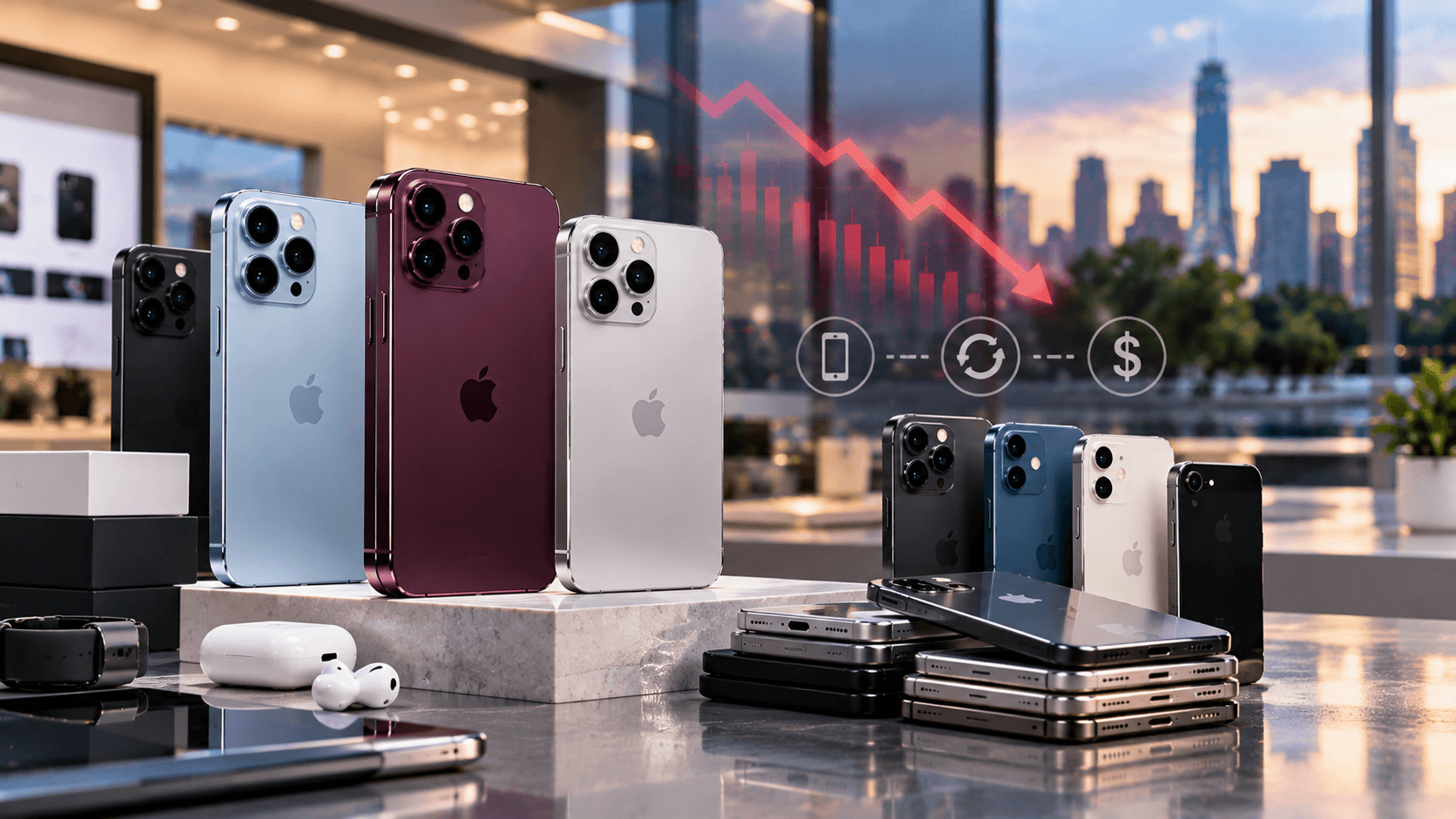
Apple Cuts iPhone Trade-In Values: What It Means for the Used iPhone Market
Apple has made an important adjustment to its U.S. trade-in program, reducing the estimated trade-in values of eligible iPhone models. At the same time, Apple has increased trade-in values for several Mac and iPad models.
The timing is particularly important for the used-device market because Apple's iPhone 18 Pro and iPhone 18 Pro Max have now launched, with the new models becoming available in the U.S. and other markets on September 18, 2026.
For consumers and businesses involved in buying and selling used electronics, this is more than just a change to Apple's trade-in calculator. It can influence expectations across the broader pre-owned smartphone market.
Why Are iPhone Trade-In Values Important?
Trade-in programs provide an important reference point for the value of used smartphones. When a major manufacturer changes its trade-in estimates, other buyers, resellers, refurbishers, and consumers may also reconsider what a particular device is worth.
Apple's latest adjustment comes shortly after the launch of the iPhone 18 Pro and iPhone 18 Pro Max, creating another potential shift in the supply and demand balance for previous-generation models. Apple has also discontinued the iPhone 17 Pro and iPhone 17 Pro Max from its lineup, while continuing to sell other models from previous generations.
When consumers upgrade to a newer iPhone, their previous devices often enter the secondary market. This can increase the number of used iPhones available for resale while also creating more opportunities for buyers looking for a lower-cost alternative to a new iPhone 18.
What Could This Mean for Used iPhone Prices?
Lower manufacturer trade-in values can put pressure on the buyback value of older iPhones. However, the final market value of a device is determined by much more than one company's trade-in offer.
Condition, storage capacity, model, carrier compatibility, battery health, color, demand, and available supply can all influence the actual value of a used iPhone.
A device that has strong demand in the secondary market may continue to command a competitive price even when an official trade-in estimate changes.
The launch of the iPhone 18 Pro lineup also introduces new pricing into the premium smartphone market. The iPhone 18 Pro starts at $1,199, while the iPhone 18 Pro Max starts at $1,299, making previous-generation iPhones potentially more attractive to consumers looking for a lower-cost alternative.
The iPhone 18 Launch Creates More Used Devices
New iPhone launches traditionally create additional activity in the used-device market. Some consumers upgrade immediately, while others wait for prices to fall before purchasing an older generation.
The iPhone 18 launch can create two opposing forces in the secondary market.
More upgrades can increase supply — Consumers moving to the iPhone 18 Pro or iPhone 18 Pro Max may sell or trade in their previous iPhones.
Lower prices can increase demand — Consumers who do not want to pay flagship prices may look for previous-generation iPhones on the used market.
Premium models can remain attractive — Higher-end previous-generation iPhones can continue to appeal to buyers who want flagship features at a lower price.
Device condition becomes more important — With more phones entering the secondary market, buyers may have more choices, making condition, battery health, storage, and overall quality increasingly important.
This is why the used market does not always move in exactly the same direction as Apple's official trade-in values.
What Should Sellers Do?
If you're considering selling an iPhone, it is worth checking its current market value rather than relying on an older estimate.
The difference between selling today and waiting several months can become meaningful, particularly when a new generation has recently entered the market.
Before selling, make sure you know the exact model, storage capacity, device condition, carrier status, and battery health. These details can have a significant impact on the value of your phone.
Apple has also announced changes to its trade-in program that provide better pricing consideration for devices with minor cosmetic defects, which may make condition assessment even more relevant for sellers.
The Bigger Picture for the Buyback Market
Apple's latest adjustment is a reminder that electronics values are constantly changing.
The launch of the iPhone 18 Pro and iPhone 18 Pro Max is likely to create continued movement throughout the used iPhone market as consumers upgrade, retailers adjust inventory, and buyers compare new and pre-owned options.
For a buyback platform, pricing needs to respond to real market conditions rather than relying on static values. New product launches, manufacturer trade-in programs, consumer demand, supply levels, device condition, and broader economic conditions can all influence what a device is worth.
For consumers, the takeaway is simple: your old iPhone still has value, but that value can change quickly.
If you're thinking about upgrading to the iPhone 18, check your current device's buyback value before putting it away in a drawer. You may be able to turn your old phone into money toward your next device.